Life in rural West Virginia is defined by close-knit communities, rugged mountains, and deep cultural traditions. Yet behind the beauty and resilience of the state lies a difficult truth: poverty in West Virginia remains one of the most persistent challenges in the United States. Families across the state, particularly in rural and Appalachian counties, continue to face hardships that limit access to education, healthcare, stable housing, and opportunity.
In this resource, we will look closely at the realities of poverty in West Virginia. We will present the latest statewide data to understand the scope of the problem, explore the key factors that contribute to economic hardship, and highlight the ways we at Americans Helping Americans® are partnering with local communities to deliver solutions. By understanding both the challenges and the efforts underway, we can see not only where help is needed but also how lasting change can be achieved.
How Many People Live in Poverty in West Virginia?
According to the 2023 American Community Survey, the poverty rate in West Virginia remains higher than the national average. From 2019 to 2023, 16.6% of people in the state, or nearly 288,000 residents, lived below the federal poverty line. By comparison, the national poverty rate during the same period was 12.4% (HDPulse).
Household incomes further illustrate the gap. The median household income in West Virginia was $55,948, far below the national median of $77,719 (U.S. Census Bureau). Families living on smaller paychecks often struggle to cover rising costs for housing, food, and healthcare, leaving little room for savings or emergencies.
Demographic factors also contribute to the state’s vulnerability. West Virginia has one of the oldest populations in the nation, with 21.5% of residents aged 65 or older. In addition, 19.5% of residents live with a disability, well above the national average. These factors increase financial insecurity, as many households face limited employment options and higher medical expenses.
Together, these numbers show that poverty in West Virginia is not only widespread but also compounded by demographic and health challenges that leave families at greater risk of long-term hardship.
Poverty by County
When looking at poverty in West Virginia, the picture becomes even clearer at the county level. Poverty is concentrated most heavily in rural Appalachian counties, where geographic isolation, limited job markets, and the decline of traditional industries continue to weigh on families. These regional disparities highlight why local, community-driven solutions are essential.
Based on the latest five-year data from HDPulse, the counties with the highest poverty rates include:
- Calhoun County (33.4%): Families here face some of the toughest conditions in the state. With few employers and long distances to schools, hospitals, or services, residents often struggle to break out of poverty that has persisted across generations.
- McDowell County (30.9%): Once sustained by coal, McDowell has seen steep population decline and chronic unemployment. Many households rely heavily on public assistance programs to meet basic needs.
- Mingo County (29.9%): Located deep in southern West Virginia, Mingo County has endured mine closures, limited healthcare access, and one of the highest rates of opioid addiction in the state.
- Logan County (27.8%): In Logan, many families face unstable incomes from service or temporary jobs, with fewer opportunities for long-term stability compared to the past.
- Clay County (27.2%): With one of the smallest populations in the state, Clay’s isolation makes it difficult to attract investment or sustain schools, healthcare facilities, and other resources.
What unites these counties is not only high poverty rates but also a lack of infrastructure and opportunity that makes recovery more difficult. Families in these rural areas often live far from job centers, must travel long distances for healthcare, and face limited educational options. These challenges create conditions where extreme poverty in West Virginia is most visible, and where grassroots support is most urgently needed.
ALICE Households
When discussing poverty in West Virginia, it is important to recognize that the official poverty rate does not capture the full picture. A large share of families live above the federal poverty line, yet still cannot afford the basics of housing, childcare, food, transportation, and healthcare. These are known as ALICE households, which stands for Asset Limited, Income Constrained, Employed (United for ALICE).
In 2023, 29% of West Virginia households were considered ALICE, while another 17% lived below the poverty line. Combined, this means 46% of all households in the state struggle financially. In other words, nearly half of all families are walking a financial tightrope, where even a small setback, like a car repair or medical bill, can lead to a crisis.
The ALICE Household Survival Budget shows why so many families fall into this category. To cover the bare minimum costs of living in West Virginia, a single adult needs $27,516 per year. For a family of four, the required income rises to $74,424 per year. These figures reflect real costs in local communities, not luxuries, and they are far above what many low-wage jobs pay.
Financial hardship does not discriminate, but it does affect some groups more severely. Youth, elderly residents, Black and Hispanic families, and single mothers are all disproportionately represented among ALICE households. For these groups, systemic barriers compound economic stress, making it even harder to achieve stability.
Understanding the scale of ALICE households is critical. It shows that hardship is not limited to those in extreme poverty in West Virginia, but also extends to working families who are doing everything right yet still cannot make ends meet.
What’s Causing Poverty in West Virginia?
To understand why the poverty rate in West Virginia remains so high, it is important to look at the systemic and regional barriers that continue to limit opportunity. From the collapse of industries that once sustained entire towns to the low wages of today’s essential jobs, families across the state face challenges that are not easily solved without long-term investment and support.
Loss of Industry and Jobs
For decades, coal and manufacturing formed the economic backbone of West Virginia. Generations of families relied on these industries for steady work, health benefits, and community stability. As demand for coal declined and manufacturing jobs shifted away, entire regions were left without a reliable economic base.
In counties like McDowell and Mingo, where coal once defined daily life, the collapse of industry has left behind long-term unemployment and widespread hardship. Younger generations often leave in search of work, creating population decline and shrinking tax bases that make it even harder for communities to recover. The result is a cycle where fewer jobs, lower local revenues, and declining services reinforce the persistence of poverty.
Low Wages in Essential Jobs
The shift away from coal and manufacturing has not only eliminated jobs but also forced many West Virginians into low-wage service roles. According to the 2023 ALICE report, 17 of the 20 most common occupations in West Virginia paid less than $20 per hour. Of the workers in these jobs, 33% lived in households below the ALICE Threshold. For personal care aides, that number rose to 6%, and for cooks, 53%.
This data shows that many residents are working full-time yet still cannot cover the cost of essentials like housing, food, and healthcare. These are the people who keep schools running, care for the elderly, and prepare meals in local restaurants, but their wages do not reflect the value of their work. For families in this situation, financial insecurity is constant, and even minor setbacks can push them into extreme poverty in West Virginia.
Barriers in Rural Appalachia
Rural communities face additional challenges that intensify economic hardship. Transportation costs are high, as residents often must travel long distances for work, school, or medical appointments. Utility costs can also be disproportionately expensive in remote areas, further straining household budgets.
Access to services is another major barrier. Childcare, healthcare, and education opportunities are far more limited in rural West Virginia than in urban areas. This lack of infrastructure directly impacts family stability and future prospects. Education, in particular, remains a significant hurdle. Only 14.5% of West Virginia adults over age 25 hold a bachelor’s degree, compared to 36% nationwide (U.S. Census Bureau). Lower levels of education reduce access to higher-paying jobs and perpetuate cycles of poverty across generations.
These systemic barriers highlight why poverty in the state remains so persistent. Addressing them requires solutions that combine immediate relief with long-term investment in education, infrastructure, and job creation tailored to rural Appalachian communities.
How Americans Helping Americans is Making a Difference

At Americans Helping Americans®, we believe that solutions to poverty in West Virginia must be rooted in the local communities most affected. That is why we partner with grassroots organizations across the state to provide immediate relief and long-term opportunities. From basic needs to education and home repairs, these programs address the daily struggles of Appalachian families while creating paths toward stability.
Basic Needs
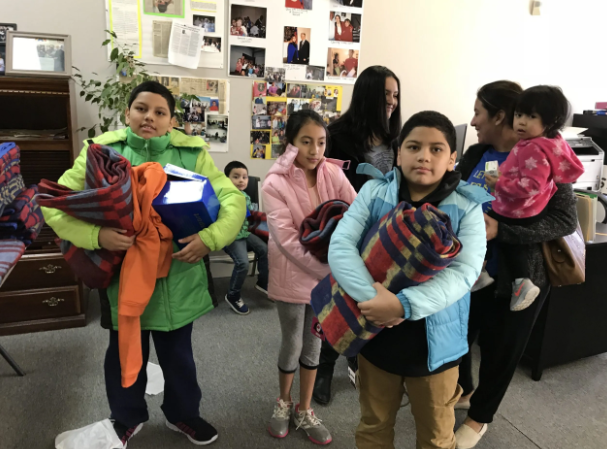
Through our Basic Needs program, we help families cover essentials that many take for granted. In rural West Virginia, this means providing winter coats, shoes, and hygiene kits to children who would otherwise go without. We also offer utility assistance to households facing shutoffs during the coldest months, preventing evictions and protecting families from unsafe living conditions. For parents and seniors, these supports mean more than physical relief; they are a reassurance that they are not facing hardship alone.
Education
Our Education initiatives in West Virginia are led by local partners who know their communities best. In McDowell County, lifelong friends and co-executive directors Marsha Timpson and Dyanne Spriggs run Big Creek People in Action (BCPIA), where they provide a high-quality after-school program for dozens of elementary school children.
With our support, BCPIA offers tutoring, mentorship, and safe spaces that help children build skills, confidence, and resilience. In a county with some of the highest poverty rates in the state, these programs give students the tools to stay in school and envision brighter futures.
Marsha and Dyanne’s leadership shows the power of community-driven solutions. By helping children succeed academically and emotionally, their work, along with ours, is breaking cycles of poverty in Appalachia.
Food Support
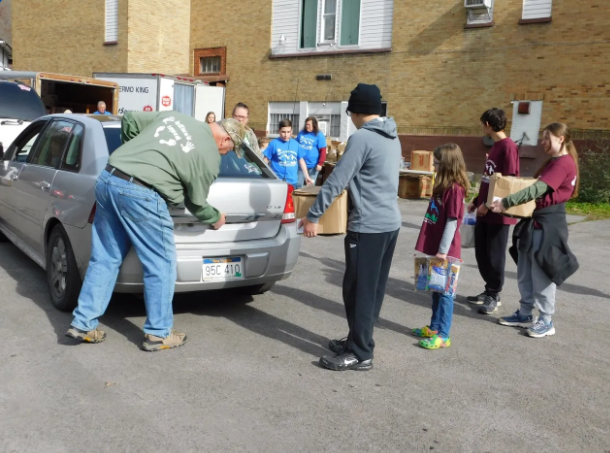
Hunger remains a pressing issue in many West Virginia households, where food deserts and limited incomes leave families struggling to afford balanced meals. Our Food Support program strengthens local food banks, school pantries, and community kitchens to ensure children and seniors do not go to bed hungry. By providing nutritious meals and emergency food boxes, we help families stretch their limited budgets and relieve the constant worry about where their next meal will come from.
Home Repairs
Our Home Repairs program ensures families in Appalachia have safe, livable homes. In McDowell County, West Virginia, our partner Big Creek People in Action (BCPIA) organizes volunteer groups each year to repair leaking roofs, build handicap ramps, and restore homes for families who could never afford the costs on their own.
One powerful example is Kaylee, a young mother whose house needed major repairs before her husband returned from military service. With support from Americans Helping Americans®, BCPIA volunteers fixed the home, and Kaylee responded by giving back, donating food and handmade cards for local seniors.
Stories like Kaylee’s show how home repairs ripple through the community. By making homes safer and warmer, we not only protect families from hardship but also inspire neighbors to lift one another up.
What You Can Do to Help
Poverty in West Virginia is a challenge no family should face alone, and together we can make a lasting difference. There are many ways you can take action today:
- Donate online to provide immediate support where it is needed most.
- Become a monthly supporter to ensure families in rural Appalachia have steady access to food, shelter, and education.
- Join our mailing list to stay connected and learn about the impact your generosity makes.
- Share this resource and spread the word about the struggles and resilience of West Virginia communities.
Support struggling families in West Virginia today by giving to Americans Helping Americans®.