Earlier this year, historic floodwaters tore through rural Appalachian communities in Kentucky, Tennessee, West Virginia, and Virginia, leaving devastation in their wake. Families were forced from their homes with little more than the clothes on their backs, seeking refuge in emergency shelters that quickly became overwhelmed. The need for immediate and ongoing Appalachian flood relief became critically clear.
Urgent Need Following Devastating Appalachian Floods
In the immediate aftermath, our partners on the ground, like Cumberland Mountain Outreach (CMO), reported urgent needs: cots and blankets for overflowing shelters, warm clothing to fend off the cold, food for displaced families, and essential emergency supplies.
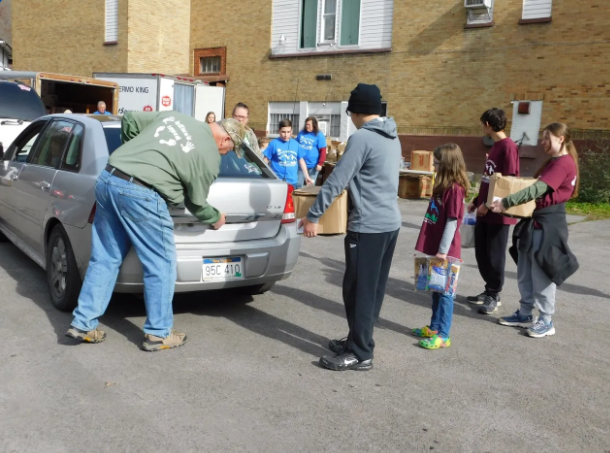
Americans Helping Americans® responded swiftly to the call for help. We shipped vital resources directly to the hard-hit Tazewell County, Virginia, area near the West Virginia border. This included:
- 1,000 heavy winter coats
- Warm gloves and clean socks
- Critical cleaning supplies to help families begin the long process of recovery and ensure safe living conditions.
Furthermore, recognizing the immediate housing crisis, we provided temporary shelter for some of the most vulnerable displaced families in Kentucky at our Pine Crest Camp facilities. However, this housing is a temporary fix. The challenge of repairing damaged houses or rebuilding modest homes entirely remains significant for countless Appalachian families.
Faces of the Flood: Stories of Resilience and Urgent Need
The scale of the disaster is best understood through the experiences of those living through it. Here are just a few stories of the families receiving Appalachian flood relief support through AHA and CMO:

Meet Brandy: A Mother Rebuilding Her Business and Home
Brandy, a single mother to an 11-year-old son, supports her family through an online jewelry business she runs from home. She moved her possessions to the top floor of her small home before the flood, hoping they would be safe. Tragically, the water rose higher than anticipated, destroying not only her furniture and appliances but also the inventory and supplies for her business – her livelihood. Despite losing so much, FEMA provided only $1,000 because she lacked flood insurance. CMO hopes to build Brandy and her son a tiny home, elevated at least four feet, to provide a secure future.
Meet Patricia: Caring for Grandchildren Amidst Displacement
Patricia, who is raising her grandchildren, is also staying at Pine Crest Camp. The floodwaters hit their trailer with such force that it shifted furniture inside and washed away the steps leading into their home. They are still awaiting assistance decisions from FEMA, facing uncertainty about how they will repair their damaged home.
Meet Linda: Facing Repairs Without Insurance
Linda, raising her granddaughter, also lacked flood insurance and received $1,000 from FEMA. CMO Director Cindy Omanoff explained, “FEMA recommended that she remove a foot of the walls and the flooring.” Currently, Linda is relying on fans and a dehumidifier provided by CMO, trying to dry out her mobile home. CMO has power-washed her exterior spaces and stands ready to assist further once Linda determines the necessary home repairs.
Meet Helen: Tragedy Compounded by Disaster
Helen has fostered and adopted children throughout her life. Just before the floods hit, she suffered the heartbreak of losing one of her sons in a car crash. She was making funeral arrangements even as the floodwaters receded. Compounding these challenges, her husband is battling stage 4 cancer, and Helen herself suffers from a severe heart condition and seizures. FEMA provided only $1,000 due to the lack of flood insurance. They are beginning the arduous process of removing flood-damaged walls and flooring, and CMO is waiting to learn how best to support their home repair journey.
Small Comforts, Lifesaving Impact
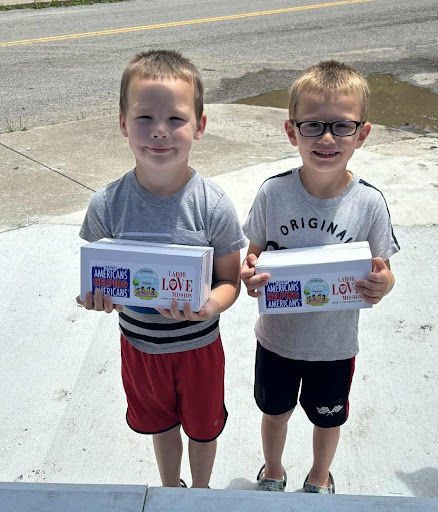
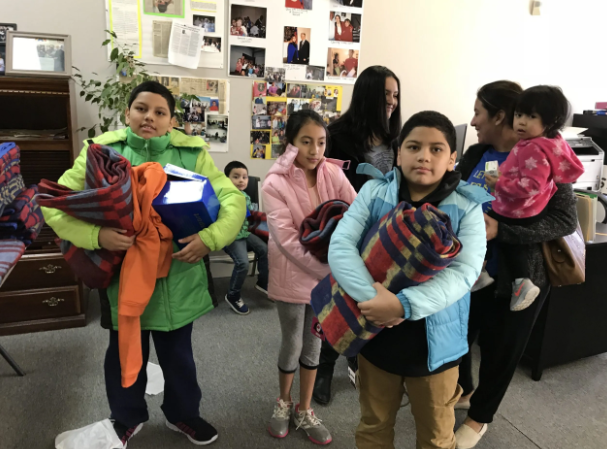
The aid provided goes beyond shelter and rebuilding materials. Simple items can make a profound difference. Cindy Omanoff shared the story of distributing food boxes and blankets provided by Americans Helping Americans® the day after the flood.
One recipient told her the blankets "were such a blessing, they literally saved his life." During a week-long power outage caused by the flood, amidst severe cold, he used one blanket to block drafts coming through the floor and wrapped himself tightly in the other for warmth. This highlights how basic necessities become lifelines during disaster recovery.
The Ongoing Challenge: Rebuilding Homes and Lives in Appalachia
Lives were lost in these floods. Homes, possessions, and jobs were washed away. The families who remain face immense struggles and uncertainty. The recovery process for these Appalachian communities will be long, continuing for months and potentially years. Rebuilding requires resources, time, and sustained support.