The term Appalachian people refers to the residents of the Appalachian region, a landscape defined by its rolling mountains, winding hollows, and rich coal seams but also celebrated for its vibrant traditions, strong community ties, and resilient spirit. This area has been shaped over centuries by diverse cultural influences. Early Scots-Irish and German settlers brought with them distinctive music, storytelling, and craft techniques that blended with the customs of Native American tribes such as the Cherokee and Shawnee. Generations of mining, logging, and small-scale farming further forged a shared identity rooted in hard work, mutual aid, and a deep connection to the land.
Appalachia spans parts of 13 states from Alabama, Georgia, Kentucky, Maryland, Mississippi, New York, North Carolina, Ohio, Pennsylvania, South Carolina, Tennessee, Virginia, and West Virginia, and includes 423 counties with a combined population exceeding 26 million people. Within this expanse, you will encounter:
- Appalachian Mountain People living in isolated coal towns, where entire families have sometimes worked in the mines for multiple generations
- Rural Appalachian farmers who tend small plots of land, raise livestock, and preserve heirloom gardening practices handed down through their ancestors.
- Urban Appalachians in cities like Pittsburgh, Knoxville, and Charleston, where descendants of mountain families maintain their cultural traditions even as they work in manufacturing, healthcare, and technology
The sheer variety of landscapes and livelihoods means no single Appalachian population profile can capture the full story of the region’s inhabitants. Some communities remain deeply connected to centuries-old ways of life, while others adapt to modern economic shifts by launching craft breweries, artisanal workshops, and ecotourism ventures. Local festivals showcase bluegrass and old-time music, mountain craft fairs display quilts and wood carvings, and church picnics bring neighbors together for storytelling and potluck meals.
What unites these diverse groups is a shared sense of place and a heritage of resourcefulness. Appalachian people value hospitality, strong family bonds, and a willingness to help one another in times of need. Today’s small-business entrepreneurs build on these cultural foundations to create new opportunities, while nonprofit organizations and community coalitions work to improve healthcare access, expand broadband, and develop sustainable tourism. Through it all, the people of Appalachia continue to draw on their unique regional identity, meeting contemporary challenges with the same pioneering spirit that defined their earliest settlers.
A Deep-Rooted History of the Appalachian People
The Appalachian region has a deep historical context shaped by centuries of Indigenous presence, European settlement, and economic transformation. Long before European arrival, it was home to advanced Indigenous societies such as the Hopewell and Mississippian cultures, who built elaborate earthwork mounds and maintained vast trade networks stretching from the Great Lakes to the Gulf Coast. Later, tribes including the Cherokee, Iroquois, and Algonquian inhabited the region’s river valleys and mountain hollows. Their deep knowledge of the land, waterways, and forests laid the groundwork for sustainable hunting, gathering, and agriculture.
In the 18th century, waves of European settlers arrived seeking land and opportunity. Scotch-Irish immigrants journeyed down the Great Wagon Road, followed by English and German families. These settlers cleared forests for small farms and established tight-knit communities in isolated hollers. Their traditions of music, storytelling, and craft became woven into the identity of Appalachian people. The challenging terrain and limited roads meant that many settlements remained physically and economically cut off from coastal regions for generations.
That isolation fostered a culture of self-reliance among rural Appalachian families. Households relied on home gardens, hunting, bartering, and homemade goods as essential sources of food and income. Churches, schools, and community gatherings served as critical support systems when outside help was scarce.
The arrival of coal and timber industries in the late 19th and early 20th centuries brought rapid change. Coal companies built rail lines into mountain hollows and employed thousands of Appalachian mountain people under harsh conditions. Timber extraction followed the boom and left denuded hillsides in its wake. While these industries brought jobs, they also introduced company towns, environmental degradation, and cycles of boom and bust. The legacy of mining and logging continues to shape economic opportunities, health outcomes, and land use across the Appalachian population today.
Understanding the Region’s Diversity
While often portrayed as culturally and racially uniform, the Appalachian population is far more diverse than stereotypes suggest. Although a majority of residents identify as white, the region is also home to longstanding Black, Indigenous, and Latino communities. In rural Appalachian areas and urban centers alike, this diversity continues to shape the region’s identity and challenges common misconceptions about Appalachian people.
After the Civil War, many formerly enslaved African Americans remained in Appalachia, acquiring land and establishing self-sustaining communities during Reconstruction. These communities contributed to the region’s agricultural economy and left a lasting cultural imprint, especially in parts of Alabama, Kentucky, and West Virginia.
More recently, immigration and demographic shifts have brought additional cultural variety to the area. Latino populations have grown in both rural and urban pockets, contributing to the local workforce and revitalizing town centers. Indigenous families, some with ancestral ties to the land, remain in parts of central and southern Appalachia, preserving cultural traditions alongside modern life.
This dynamic mix of backgrounds and experiences is part of what defines the Appalachian mountain people today.
What Life Is Like in Rural Appalachian Communities Today

Rural Appalachian communities are shaped by their geographic isolation, small population size, and deep reliance on local resources. In some hollows, families live miles from the nearest paved road or grocery store, relying on wells for water and wood stoves for heat. Elsewhere, towns sit just outside urban centers yet still struggle with economic hardship and limited investment. Despite these differences, residents share a commitment to making the most of what their land and communities provide.
Daily life in rural Appalachia revolves around time-honored traditions and a strong sense of mutual support. Neighbors lean on one another during planting and harvest seasons, and community gatherings, church picnics, county fairs, and volunteer rescue squad fundraisers bring people together to celebrate heritage and lend a helping hand. Storytelling circles pass down family histories, while small-scale farms and home gardens supply fresh produce, eggs, and meats. This way of life fosters independence, collective responsibility, and a deep respect for the natural world.
Yet rural Appalachian families face significant challenges:
- Healthcare Access: Many counties lack local clinics, forcing patients to travel long distances for doctor visits, specialist care, or dental work.
- Broadband and Digital Inclusion: Limited internet service leaves students unable to complete homework online, restricts telehealth options, and hampers small-business growth.
- Economic Opportunity: With few local employers, young people often leave for jobs elsewhere, contributing to population decline and aging communities.
- Underfunded Public Services: Schools, public transit, and community centers struggle with tight budgets, reducing program offerings and transportation options.
- Lingering Crises: The opioid crisis and COVID-19 pandemic have strained families and first responders for years, while deepening food insecurity, disrupting schooling, and stretching healthcare resources.
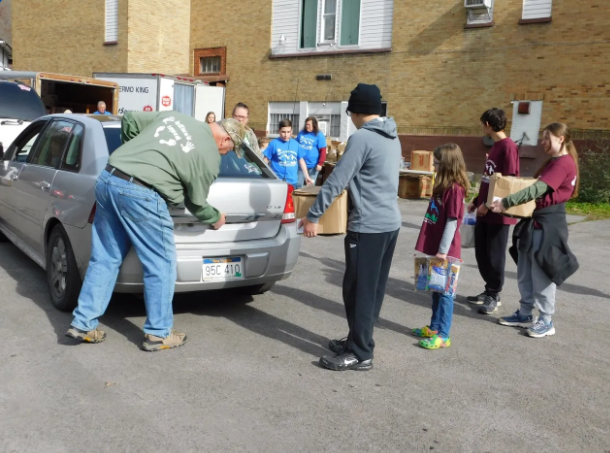
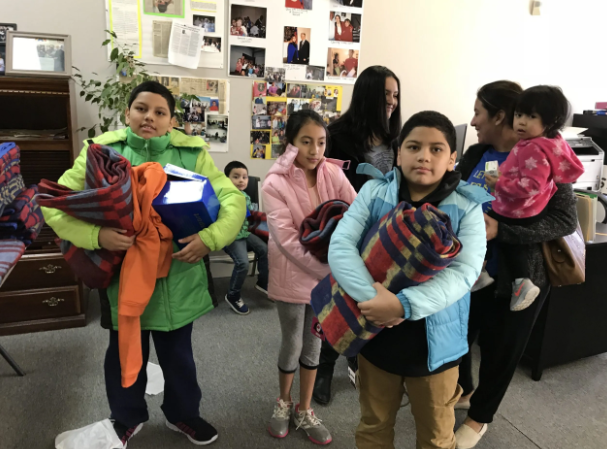
At Americans Helping Americans, we partner with community organizations, churches, schools, and local governments to tackle these barriers head-on. Through home repair grants, food pantry support, school supply drives, and broadband advocacy, our programs help rural Appalachian families meet basic needs, stay connected, and build stronger futures. By combining practical assistance with community-led solutions, AHA ensures that resilience and resourcefulness continue to define life in rural Appalachia.
How to Support People in the Appalachian Region
You can make a real difference in the lives of Appalachian communities today by taking simple, meaningful actions:
- Buy local crafts and goods: Seek out handmade items from Appalachian artisans such as quilts, pottery, woodwork, and music. Supporting small businesses keeps money circulating in the region and helps preserve traditional skills.
- Enjoy Appalachian music: Attend performances by regional musicians or purchase their recordings online. Bluegrass, old-time, and mountain gospel artists rely on community support to keep these cultural traditions alive.
- Partner with local businesses: Whenever possible, choose eateries, farms, and shops based in rural Appalachian towns. Your patronage sustains family-owned operations and strengthens the local economy.
If you want to expand your impact further, consider supporting us at Americans Helping Americans. Your donation helps fund support programs in food security, housing repairs, educational scholarships, and more. Directly addressing the needs of families across Appalachia.
Consider making a one-time or monthly donation to support our mission. Every contribution empowers communities to build healthier, more resilient futures in the heart of Appalachia.
By choosing to support Appalachia through your purchases, your attendance, or your generosity, you become part of a long tradition of neighbors helping neighbors. Thank you for standing with the people of the Appalachian region.